
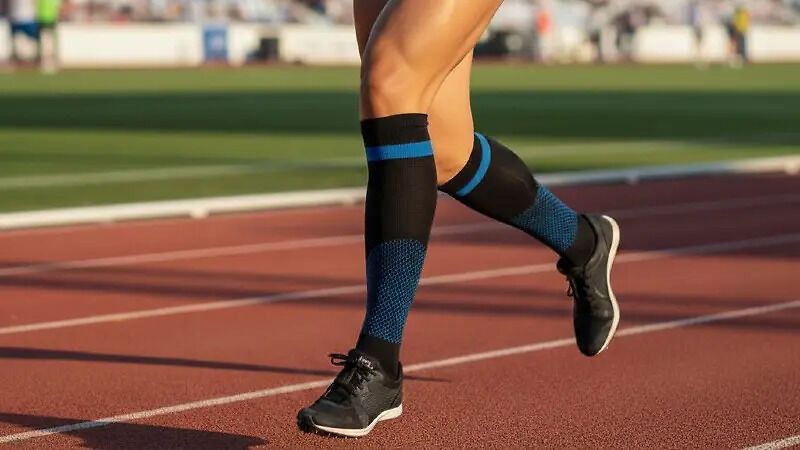

Compression Gear: Does It Really Improve Performance?
You’ve probably seen runners wearing tight sleeves on their legs or arms, or those snug-looking socks that go up to the knees. That’s compression gear and it’s everywhere. From marathoners to people doing basic gym workouts, everyone seems to swear by it. But what is it used for? How does it help, or is it just a hype we’ve learned to buy into? Let’s break it down the way most of us think about it.
What Compression Gear Claims to Do
The idea is that when you wear compression clothing, it gently squeezes your muscles, improving blood flow and reducing how much your muscles move when you run or train. This supposedly helps your body deliver oxygen better and clear out lactic acid faster, meaning you can go longer without feeling that heavy, tired burn. In theory, that sounds great. Better circulation means less fatigue. Less shaking means fewer sore spots after. So yes, it makes sense, but the body isn’t that simple.
What Research Actually Says
Studies have been all over the place with this one. Some show minor improvements in recovery, like a bit less soreness the next day or reduced swelling after long-distance runs. A few athletes even reported feeling more stable or balanced during intense sessions.
But when it comes to actual performance improvement, like running faster, jumping higher, or pushing more weight, there’s not much solid evidence. What it might do, though, is make you feel better while you train, and that can make a big difference. It’s the mental side that often matters more. When your muscles feel supported, you run a little more confidently. You’re not second-guessing your form or your body as much. That sense of control can easily translate into better focus and endurance not because of the fabric, but because of how it makes you feel.
Where It Actually Helps
Most people who swear by compression wear use it for recovery. After a long run or a heavy leg day, wearing compression socks or tights helps reduce muscle stiffness and swelling. It’s the steady pressure that helps your body flush out waste and circulate blood more efficiently. Think of it like a subtle recovery boost. You still need your rest, hydration, and nutrition, but this can help you bounce back a little faster.
How to Use It Right
If you’re curious, start small. Try a pair of compression socks or calf sleeves for your longer runs. They should feel snug but never uncomfortable or tight enough to cut circulation. A lot of runners wear them during a session, while others prefer using them after training to help recover. The material matters too. Go for something breathable and sweat-wicking. The cheaper, synthetic ones can trap heat and cause irritation and are not worth it.