
Curated Feed

Doctor Trained at AIIMS, Harvard and Stanford Credits Fibre for Losing 13.6 Kg
Gastroenterologist Dr Saurabh Sethi revealed that increasing fibre intake helped him lose 30 pounds (13.6 kg) without extreme dieting. The AIIMS-Harvard-Stanford trained doctor explained that fibre improves satiety, supports gut health, and regulates appetite hormones, making it easier to manage weight compared to calorie restriction or ultra-processed foods.
Safety Tech for Runners: From GPS Tracking to SOS Alerts
Running alone can feel freeing but uncertain. Modern safety tech for runners including GPS tracking, live location sharing, SOS alerts, reflective gear, and smart wearables, adds confidence without disrupting performance. From incident detection to visibility tools, today’s devices help runners stay connected, protected, and safer on every run.
Marathon Etiquette: The Unwritten Rules Every Runner Should Know
Running a marathon? Before race day, learn the unwritten rules that every runner should follow. From lining up in the right corral to thanking volunteers, this guide covers marathon etiquette tips that keep the race safe, fair, and enjoyable for the tens of thousands of people sharing the road with you.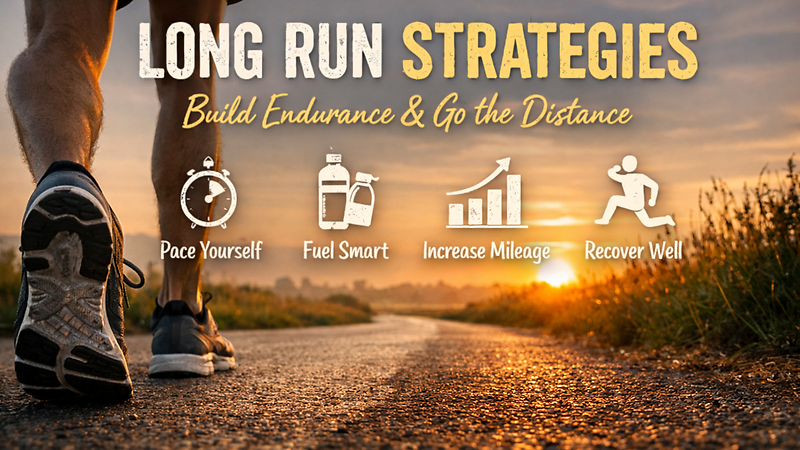
Long Run Strategies That Make Distance Feel Easier (Even When It Isn’t)
Long runs are the foundation of marathon training, but they require smart pacing, proper fueling, gradual mileage increases, and consistent recovery. This guide explores practical, experience-based strategies to build endurance, prevent injuries, and improve stamina while making long distance running feel more manageable over time.
Running vs Walking: What Works Best for Weight Loss?
Running burns more calories quickly, while walking offers a gentler, more sustainable path to weight loss. The best option depends on your fitness level, joint health, and consistency. Long-term results come from choosing an activity you can maintain comfortably, rather than the one that feels intense but difficult to sustain.
Why Rest Days Are Just as Important as Workouts
Rest days are not setbacks but a crucial part of any fitness routine. Recovery allows muscles to repair, prevents injuries, restores energy, and supports mental motivation. By balancing training with proper rest and sleep, you create a sustainable routine that promotes long-term strength, progress, and overall well-being.
Macros made simple: How to balance protein, carbs, and fats without overthinking it
Balancing protein, carbs, and fats doesn’t have to be complicated. This guide breaks down macros in a simple, practical way using easy portion tips and everyday foods. Instead of strict tracking, it focuses on balanced meals, smart choices, and consistency to support energy, health, and long-term fitness goals.
Celebrating Small Wins: Why Tracking Progress Beats Chasing Perfection
Celebrating small wins helps build consistency, confidence, and long-term motivation. Instead of chasing perfection, tracking daily progress keeps you focused on improvement. Small milestones add up over time, making goals feel achievable and sustainable while reducing burnout, self-doubt, and unrealistic expectations. Progress, not perfection, drives lasting success.
Running in Heat, Cold, Humidity and Rain: How to Adapt Training in Any Weather
Running in heat, cold, humidity, or rain demands smart adjustments. By adapting pace, hydration, clothing, and mindset to different climates, runners can stay consistent year-round. Understanding how weather affects performance helps prevent fatigue and injury while building endurance, resilience, and mental strength in all conditions.
Long-Distance Running Guide: How to Master Pacing, Fuel, and Hydration for Better Endurance
Long-distance running success depends on smart pacing, proper fuel, and balanced hydration. Starting steady, eating at the right time, and staying consistently hydrated can prevent fatigue and improve endurance. By practicing these habits in training, runners can avoid burnout, recover better, and perform stronger on race day.
Mindful Eating: How Paying Attention Can Help You Lose Weight
Mindful eating encourages you to slow down, remove distractions, and truly notice your food. By paying attention to hunger and fullness cues, you naturally avoid overeating. Instead of strict dieting, this approach helps build a healthier relationship with food, making weight loss feel balanced, sustainable, and more enjoyable.
The Science of Building Lean Muscle After 30
Building lean muscle after 30 requires a smarter approach. As recovery slows and muscle loss begins gradually, strength training, adequate protein, quality sleep, and stress management become essential. With consistent resistance workouts and proper nutrition, you can maintain strength, boost metabolism, and support long-term health well beyond your thirties.
From Couch to 5K: A Beginner’s Guide to Start Running with Confidence
Starting your running journey can feel overwhelming, but building endurance is about consistency, not speed. This beginner-friendly guide breaks down how to ease into a 5K with smart pacing, proper rest, and realistic goals. With patience and the right mindset, anyone can go from couch to confident runner.
How to Know When Your Body Is Asking for a Break from Exercise
Feeling constantly exhausted, unusually sore, irritable, or stuck in your progress? Your body may be asking for a break from exercise. Persistent fatigue, sleep issues, random aches, and loss of motivation are common warning signs. Rest isn’t weakness — it’s essential for recovery, strength, and long-term fitness progress.
The Truth About Carbs: How to Eat Them Without Guilt
Carbohydrates have been unfairly blamed for weight gain and poor health, but the real issue lies in the type and quality consumed. This piece explores why your body needs carbs, the difference between whole and processed sources, and how to include them in a balanced diet without guilt or restriction.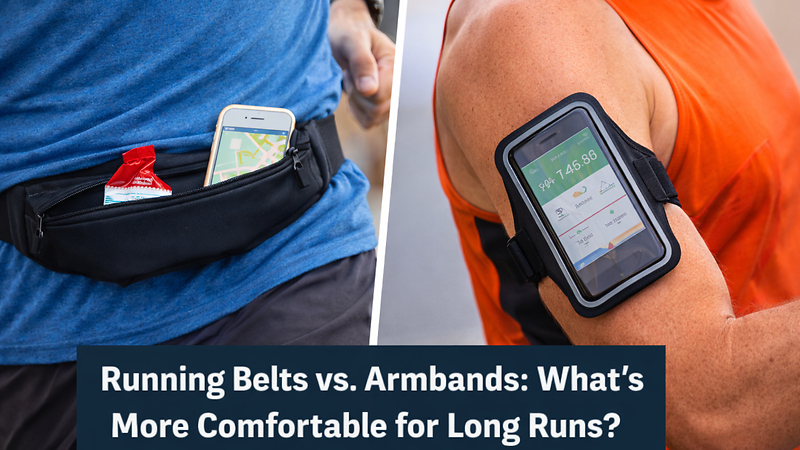
Running Belts vs. Armbands: What’s More Comfortable for Long Runs?
Choosing where to store your phone and essentials can impact comfort on long runs. This piece compares running belts and armbands, exploring fit, balance, and practicality over distance. It helps runners decide which option minimizes distraction, reduces bounce, and feels most natural during extended training sessions.
Cold Plunges, Saunas & Recovery Boots: Do Athletes’ Recovery Trends Actually Work?
Cold plunges, saunas, and recovery boots have become staples in modern fitness culture, but do they truly improve performance? This piece explores the science behind these popular recovery trends, examining their benefits, limitations, and how they fit into a balanced routine built on sleep, nutrition, and smart training.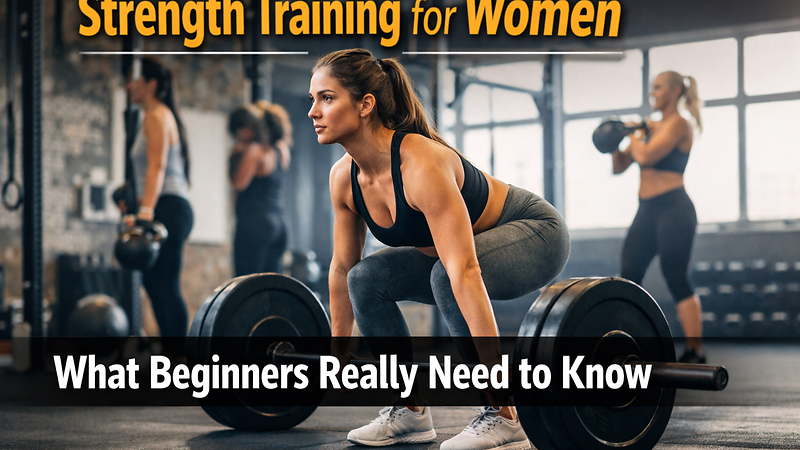
Strength Training for Women: What Beginners Really Need to Know
Women are increasingly embracing strength training, transforming gym culture once dominated by men. From deadlifts to kettlebells, confidence is rising, but so is confusion for beginners. Questions about starting points, proper form, lifting heavy, and fears of getting “bulky” remain common. Here’s a clear, no-nonsense guide to beginning weight training.
The Power of Mini Workouts: How 10 Minutes a Day Can Transform Your Fitness
Short workouts can be surprisingly effective when time is limited. Even ten minutes of focused movement boosts energy, improves fitness, and builds consistency. Mini workouts remove barriers, fit easily into daily life, and create lasting physical and mental benefits, proving that regular movement matters more than workout length.