
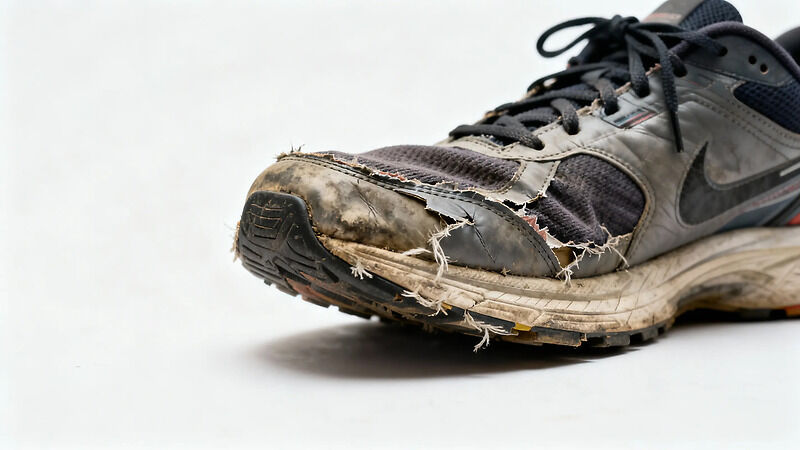

How Often Should You Replace Your Running Shoes?
Running shoes are more than just gear. They carry you through your first shaky jog, your early morning runs, your longest weekend routes, and every step in between. They become part of your rhythm, almost like a teammate you rely on without thinking. But over time, even the best shoes lose their magic. Cushioning flattens, grip fades, and your body starts to feel it. That’s when the big question comes up: how often should you replace your running shoes?
There isn’t a one-size-fits-all answer. Everyone runs differently, has different body weight, pace, and terrain preferences. But there are some general guidelines that most runners find helpful. Most running shoes last between 300 and 500 miles. That’s roughly six months to a year for someone running 20 miles a week. Trail shoes or lighter racing shoes may wear out faster, while heavier, cushioned shoes might last a bit longer.
Mileage isn’t the only factor to consider. How your shoes feel is just as important. If your feet ache after runs that used to feel easy, if your knees or hips start to complain, or if you notice your shoes leaning in certain directions when you put them on, it’s probably time for a change. Worn-out shoes don’t just make running uncomfortable, they increase your risk of injury.
It helps to track your runs. Many runners log their miles in a running app or even a notebook. When your shoes hit that 300–400 mile mark, start paying close attention. Some people like to rotate two pairs of shoes. It’s not just about variety, alternating pairs allows the cushioning and structure of one shoe to recover while the other is in use. It can actually extend the lifespan of both pairs and keep your feet feeling fresh.
The type of running you do also matters. Road running puts consistent wear on the midsole, while trail running can wear out the outsole faster. Soft, cushioned shoes might feel comfortable longer but lose support faster than stiffer shoes. And don’t forget about daily wear. If you use your running shoes for walking around town or at the gym, that adds miles faster than you might think.
Replacing shoes isn’t just about comfort but about performance. New shoes give you spring, stability, and confidence. They can make a run feel lighter and easier. It’s amazing how much difference a fresh pair can make, even for short runs. Think of it as an investment in your health, your joints, and the joy of running itself.
That said, there’s no shame in keeping a pair around a little longer if they still feel good. Just pay attention to the signs your body gives you. Foot fatigue, unusual aches, and mid-run discomfort are warning signals that shouldn’t be ignored. And remember, you don’t need to wait until the shoes are completely flattened. Replacing them when they start to feel “off” is what keeps your running consistent and safe.
In the end, listening to your body and your shoes is key. Running shoes are your partners, and like any good partnership, they need attention and care. Track your miles, notice how you feel, and don’t wait too long. When the time comes to retire a pair, it might feel a little sad but think of the fresh pair waiting to carry you forward, step by step, mile after mile.