
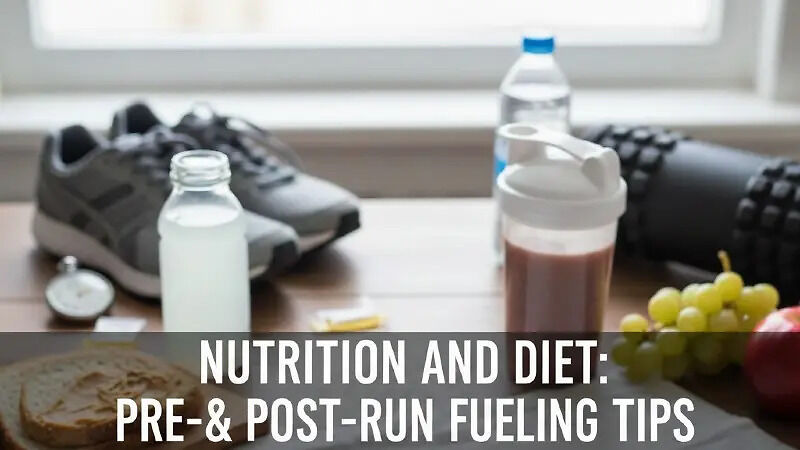

Nutrition and Diet: Pre- and Post-Run Fueling Tips for Every Runner
Ask any seasoned runner, and they’ll tell you that the miles are only half the story. The real secret to better performance and faster recovery lies in what you eat before and after you lace up your shoes. Good fuelling habits can make the difference between finishing strong and hitting a wall halfway through your route.
Before the run
Think of your body as a car before a long drive. You wouldn’t set off on an empty tank. The same goes for running. A good pre-run meal gives your body enough energy to perform without making you feel sluggish. Two to three hours before your run, aim for something light yet substantial. A bowl of oats with fruit, a rice bowl with some grilled chicken, or a wrap stuffed with veggies.
If you’re heading out early or don’t have that much time, don’t skip fuel altogether. A banana, a slice of toast with peanut butter, or an energy bar can work just fine 30 to 60 minutes before you start. Avoid heavy or greasy meals; they’re more likely to sit uncomfortably in your stomach than power your stride.
And don’t forget water. Hydration begins before your run, not during it. Drink small amounts steadily rather than chugging a full bottle right before you step out.
During the run
For shorter runs, anything under an hour, water is usually enough. But if you’re training for a long-distance event or going past 90 minutes, your body will need more. A sports drink, an energy gel, or even a handful of raisins can help top up glycogen stores and keep fatigue at bay. The trick is to test these during training so your stomach knows what to expect on race day.
After the run
What you eat after your run is just as crucial as what you eat before. Your muscles are tired, your glycogen levels are low, and your body is ready to absorb nutrients. The best time to refuel is within an hour of finishing. Go for a mix of carbohydrates and protein, roughly a 3:1 ratio.
Try a smoothie made with banana, yoghurt, and almond milk, or grab a sandwich with lean turkey and whole-grain bread. Greek yoghurt with berries also works well. And again, drink up - water or an electrolyte drink if you’ve sweated a lot.
Building habits that last
Your everyday diet matters more than any single pre- or post-run snack. Fill your plate with whole grains, lean proteins, fruits, vegetables, and healthy fats. Runners especially benefit from iron (for stamina), calcium (for bone strength), and vitamin D (for recovery).
Most importantly, listen to your body. Pay attention to how different foods make you feel. What energises one runner may slow another down. Use your training runs to figure out what works best for you so that, by race day, your nutrition routine feels effortless.