

Curated Feed
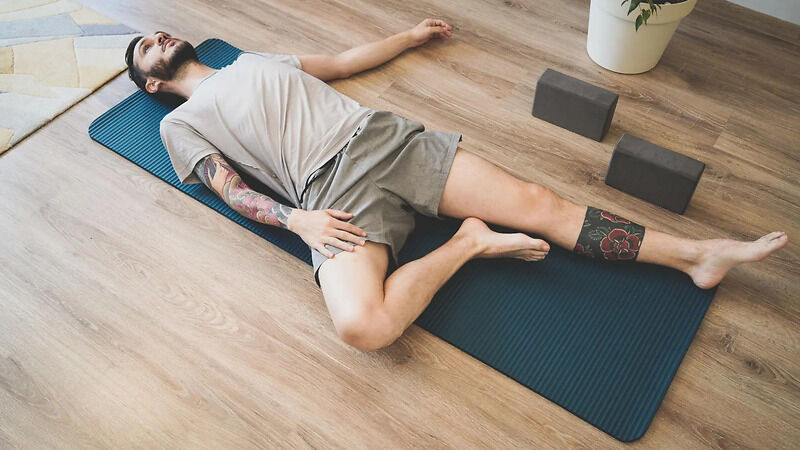
How to Know When Your Body Is Asking for a Break from Exercise
Feeling constantly exhausted, unusually sore, irritable, or stuck in your progress? Your body may be asking for a break from exercise. Persistent fatigue, sleep issues, random aches, and loss of motivation are common warning signs. Rest isn’t weakness — it’s essential for recovery, strength, and long-term fitness progress.
How to Recognize Early Signs of Overtraining
Most of us think pushing harder is the only way to get better. Another set, another mile, one more early morning run, it feels like progress. But sometimes, it’s the opposite. You can actually train yourself into a hole. Overtraining sneaks up slowly, and before you know it, the thing you love starts feeling like a chore.
The Importance of Sleep for Performance: Rest, Recovery, and Results
When it comes to achieving peak performance, whether in sports, work, or daily life, most people focus on training, diet, or productivity hacks. But one often-overlooked factor plays an equally critical role: sleep. High-quality rest is the foundation for physical recovery, mental clarity, and long-term success.
Active Recovery vs Complete Rest Days: When to Move and When to Stop
Recovery is a training pillar that determines progress and longevity. Athletes and fitness enthusiasts often wrestle with whether to keep moving on lighter days or to take full rest. The truth is both active recovery and complete rest have roles; using them deliberately supports performance, reduces injury risk, and helps avoid burnout.