
Running Belts vs. Armbands: What’s More Comfortable for Long Runs?
There’s always that small pause before a run. Shoes are tied, the playlist is ready and then you’re standing there thinking, Where do I put my phone? It seems like a tiny detail, but once you’re out for an hour or more, even the slightest bounce can get annoying fast. That’s usually when runners start choosing between a belt or an armband.
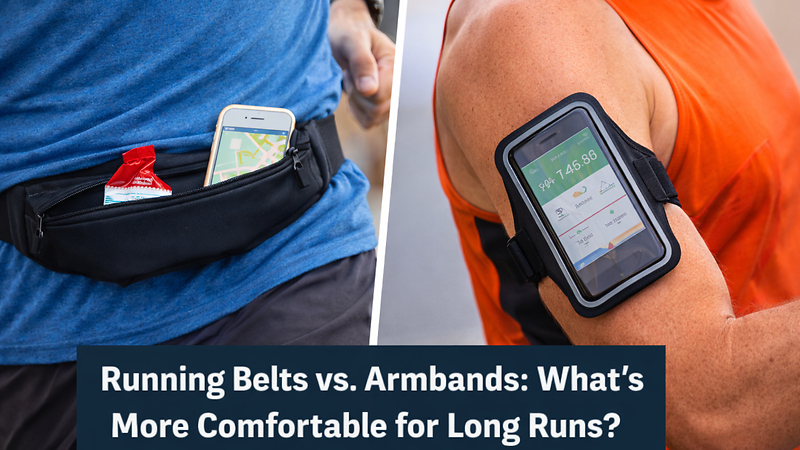
Running belts have become a go-to for long distances. They sit around your waist and, if they fit properly, stay put. Your phone, keys, maybe a gel or two, everything stays close to your body instead of swinging around. When you pick up the pace, a good belt won’t shift much. And because the weight sits in the center, your stride feels normal. You’re not adjusting or tugging at anything mid-run.
Of course, fit makes all the difference. A belt that’s too loose will bounce. Too tight, and it feels restrictive. The sweet spot is something snug, slightly stretchy, and lightweight. Once you find one that works, you honestly forget it’s there, which is exactly what you want during a long session.
Armbands are simpler. Strap it on your upper arm, slide your phone in, and head out. For shorter runs, they’re convenient. You can glance at your screen or change a song without breaking rhythm. There’s no extra gear around your waist, which some runners prefer.
But after a few miles, you might start to notice it. Sweat can make the strap slip or feel tight. The weight on one arm, even if it’s minimal, can feel uneven over time. It’s not dramatic, but during longer runs, small distractions feel bigger than they should.
So what’s better? For anything beyond an hour, especially if you’re carrying more than just a phone, a belt usually wins for comfort. It keeps things balanced and lets you move naturally. Armbands work well for quick runs or light days.
In the end, it’s personal. Some runners stick with what feels familiar. Others switch once they experience the difference. The real goal is simple: choose the option you stop thinking about once you start moving.