
Safety Tech for Runners: From GPS Tracking to SOS Alerts
If you’ve ever run alone, maybe early morning before sunrise or late after work, you’ve probably had that quick moment of awareness. The quiet street, the sound of your own footsteps, the thought that you should’ve texted someone before you left. Running solo is freeing, but it comes with its share of worry. That’s where safety tech steps in.
We’ve come a long way from basic stopwatches and pedometers. Today’s running safety tech blends GPS tracking, SOS alerts, and smart features into something every runner can benefit from, whether you’re new to the track or training for a marathon.
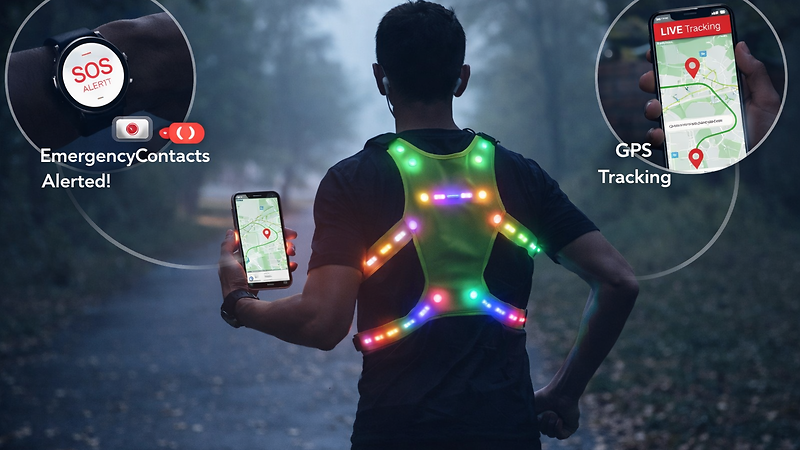
When people hear GPS, they think about pace or route mapping. But GPS tracking for runners has become so much more. Most modern running watches from Garmin to Apple now come with live location sharing. It means someone you trust can see your route while you’re running in real time.
If something doesn’t go as planned, you stop suddenly, or you’re out longer than expected, they can check in or reach out. It’s simple, but it matters. The same tech can also guide you back if you lose your way during a trail run. No more guessing which direction leads home. It’s one of those things you might not think you’ll need, until that one run when you’re grateful it’s there.
The most reassuring update in recent years is SOS alert technology. Most top-end watches now come with it: Garmin’s Incident Detection, Apple Watch’s Emergency SOS, Coros’ Assistance Feature, all built to keep runners safe.
Here’s how it works: your watch detects a fall or sudden impact. If you don’t respond within seconds, it automatically sends an alert to your emergency contacts with your exact GPS location. It can also connect to emergency services if needed. You might never use it, but knowing it’s there changes how you feel when you run alone. It’s quiet insurance - the kind you hope to never activate but can’t imagine running without once you have it.
Not everything about safety tech for runners lives on your wrist. A lot of new gear is designed with visibility and awareness in mind. Reflective vests and belts from brands like Noxgear light up like moving lanterns, making runners visible from hundreds of meters away.
There are also smaller details like GPS-enabled ID tags or smart shoe pods that carry emergency info, just in case you’re unable to share it yourself. Even modern earbuds have improved as they come with “ambient” or “awareness” modes so you can still hear traffic or footsteps around you while enjoying your music.
What’s great about this new wave of running technology is how naturally safety fits into performance. The same device that tracks your heart rate, cadence, and pace also keeps you protected. Most runners say it’s not just about data anymore but about confidence. You train better when you feel safe, and you explore more when you know someone can find you if needed. It’s that simple.
Running has always been personal, your space, your rhythm, your freedom. But it doesn’t hurt to have a bit of help on your wrist or clipped to your vest. Whether it’s GPS tracking, SOS alerts, or smart safety gear, the goal isn’t to make running more complicated, it’s to make it safer. The best part? It’s effortless. You set it once, and it’s just there, working quietly in the background, keeping you visible, connected, and one tap away from help if you ever need it.
We’ve come a long way from basic stopwatches and pedometers. Today’s running safety tech blends GPS tracking, SOS alerts, and smart features into something every runner can benefit from, whether you’re new to the track or training for a marathon.
When people hear GPS, they think about pace or route mapping. But GPS tracking for runners has become so much more. Most modern running watches from Garmin to Apple now come with live location sharing. It means someone you trust can see your route while you’re running in real time.
If something doesn’t go as planned, you stop suddenly, or you’re out longer than expected, they can check in or reach out. It’s simple, but it matters. The same tech can also guide you back if you lose your way during a trail run. No more guessing which direction leads home. It’s one of those things you might not think you’ll need, until that one run when you’re grateful it’s there.
SOS Alerts: Because Accidents Happen
The most reassuring update in recent years is SOS alert technology. Most top-end watches now come with it: Garmin’s Incident Detection, Apple Watch’s Emergency SOS, Coros’ Assistance Feature, all built to keep runners safe.
Here’s how it works: your watch detects a fall or sudden impact. If you don’t respond within seconds, it automatically sends an alert to your emergency contacts with your exact GPS location. It can also connect to emergency services if needed. You might never use it, but knowing it’s there changes how you feel when you run alone. It’s quiet insurance - the kind you hope to never activate but can’t imagine running without once you have it.
Not everything about safety tech for runners lives on your wrist. A lot of new gear is designed with visibility and awareness in mind. Reflective vests and belts from brands like Noxgear light up like moving lanterns, making runners visible from hundreds of meters away.
There are also smaller details like GPS-enabled ID tags or smart shoe pods that carry emergency info, just in case you’re unable to share it yourself. Even modern earbuds have improved as they come with “ambient” or “awareness” modes so you can still hear traffic or footsteps around you while enjoying your music.
Balancing Safety and Performance
What’s great about this new wave of running technology is how naturally safety fits into performance. The same device that tracks your heart rate, cadence, and pace also keeps you protected. Most runners say it’s not just about data anymore but about confidence. You train better when you feel safe, and you explore more when you know someone can find you if needed. It’s that simple.
Running has always been personal, your space, your rhythm, your freedom. But it doesn’t hurt to have a bit of help on your wrist or clipped to your vest. Whether it’s GPS tracking, SOS alerts, or smart safety gear, the goal isn’t to make running more complicated, it’s to make it safer. The best part? It’s effortless. You set it once, and it’s just there, working quietly in the background, keeping you visible, connected, and one tap away from help if you ever need it.