
The Truth About Carbs: How to Eat Them Without Guilt
Carbs have taken a strange fall from grace. For years, they were just food, rice with dinner, toast in the morning, pasta on Sundays. Then suddenly, they became something to fear. If you want to lose weight, people say to cut carbs. If you want abs, skip the bread. It sounds simple. It’s also misleading.
Your body is built to use carbohydrates. When you eat them, they turn into glucose, which your brain and muscles rely on. That afternoon slump you feel when you haven’t eaten properly? Often that’s low energy, not a lack of willpower. If you work out, carbs matter even more. They help store glycogen in your muscles, which is what keeps you going during a run or a tough gym session. Without enough of it, you feel flat.
The confusion usually comes from the type of carbs we eat. There’s a big difference between a bowl of oats and a sugary pastry. Highly processed foods like white bread, sweet cereals, and packaged snacks digest quickly and spike your blood sugar. You feel energised for a short time, then hungry again. That cycle is exhausting, and it’s easy to blame carbs as a whole.
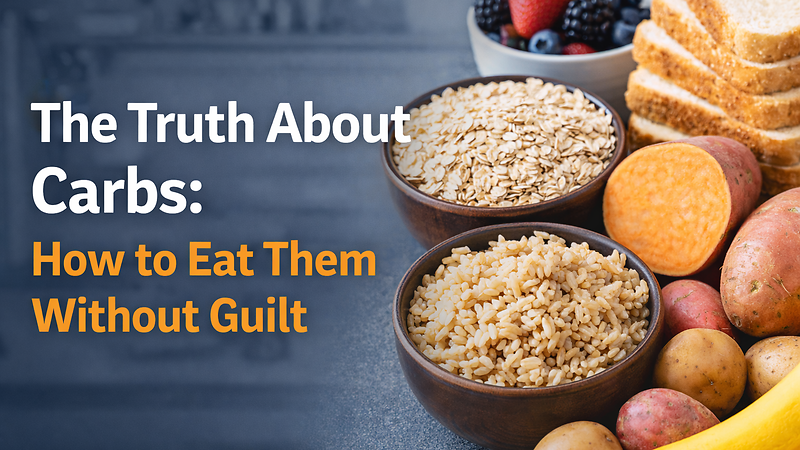
But whole-food carbohydrates behave differently. Brown rice, sweet potatoes, fruit, lentils, and vegetables release energy more steadily. They contain fibre, which slows digestion and keeps you full longer. They also carry nutrients your body actually needs. Cutting these out in the name of “clean eating” can leave you low on energy and constantly craving something.
Eating carbs without guilt starts with changing how you look at them. They’re not a reward or a cheat. They’re fuel. The key is balance. Combine carbs with protein and healthy fats so your meals are satisfying and steady. A plate with vegetables, grilled fish, and a portion of rice will keep you fuller than pasta on its own.
Portion size matters, but so does context. If you’re active, your body can use more carbohydrates. After exercise, they help with recovery. Skipping them entirely can slow that process down.
Carbs aren’t the villain they’ve been made out to be. They only become a problem when most of your intake comes from heavily processed, sugar-heavy foods. Focus on quality, pay attention to how your body feels, and stop labelling food as “good” or “bad.”