
Macros made simple: How to balance protein, carbs, and fats without overthinking it
If you’ve ever opened a fitness app and felt instantly overwhelmed by numbers, grams, percentages, and targets, you’re not alone. The idea of “tracking macros” can sound like something reserved for bodybuilders or nutrition nerds. But at its core, balancing protein, carbs, and fats isn’t complicated. It’s about understanding what’s on your plate and making small, practical tweaks.
Let’s start with the basics. “Macros” is short for macronutrients, that is, protein, carbohydrates, and fats. These are the three nutrients your body needs in larger amounts to function well. Protein helps repair and build tissue. Carbs provide energy. Fats support hormones, brain health, and help you absorb vitamins. None of them are the enemy. The key is balance.
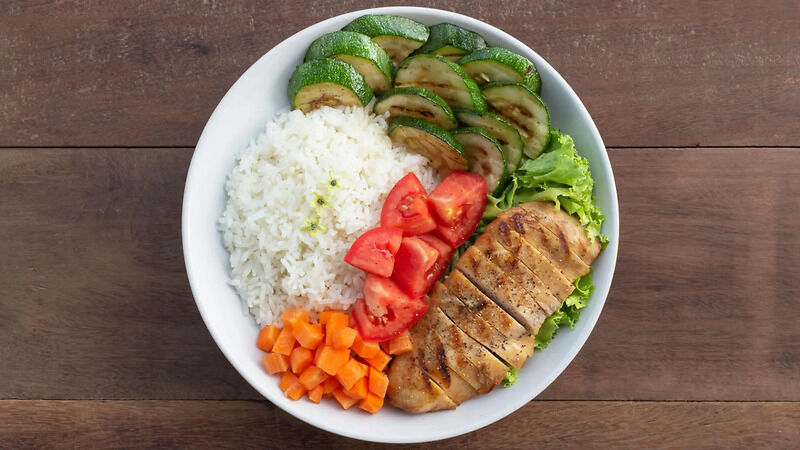
Instead of obsessing over exact numbers, think in proportions. A simple way to build a balanced meal is the plate method. Picture your plate divided into sections. Fill about half with vegetables or fruit, a quarter with protein, and a quarter with carbohydrates. Add a small serving of healthy fats like a drizzle of olive oil, a few nuts, or some avocado. That’s it.
Protein is often the hardest to get enough of, especially if you’re active. Good sources include eggs, chicken, fish, Greek yoghurt, tofu, lentils, paneer, and beans. A rough guideline? Aim to include a source of protein in every meal. It keeps you full longer and helps stabilize blood sugar levels.
Carbohydrates get a bad reputation, but they’re your body’s preferred fuel source. The trick is choosing quality carbs most of the time. Think rice, roti, oats, potatoes, fruit, and whole grains rather than heavily processed snacks. You don’t have to cut carbs to be healthy. You just need to be mindful of portion sizes and overall balance.
Fats are essential too. Healthy fats from nuts, seeds, fatty fish, coconut, ghee in moderation, and olive oil can make meals satisfying and flavorful. Because fats are calorie-dense, a little goes a long way. You don’t need to drown your food in oil but just enough to cook or enhance taste.
The biggest mistake people make is trying to be perfect. You don’t need every meal to be Instagram-worthy or macro-optimized. Some days will be carb-heavy. Some days you’ll eat more fat. Over time, your weekly pattern matters more than a single meal.
If you want an even simpler rule: include protein, add fiber, don’t fear carbs, and use fats wisely. Listen to your hunger cues. Eat slowly. Notice how different foods make you feel.