
Long Run Strategies That Make Distance Feel Easier (Even When It Isn’t)
There’s something about the long run that humbles you. It doesn’t matter how fast you are over 5K. Once you start pushing past 12, 15, 18 kilometres, the game changes. Your legs talk back. Your breathing settles into its own rhythm. And somewhere in the middle of it all, you start negotiating with yourself.
If you’re trying to improve endurance or follow a proper marathon training plan, the long run is non-negotiable. But doing it right makes all the difference.
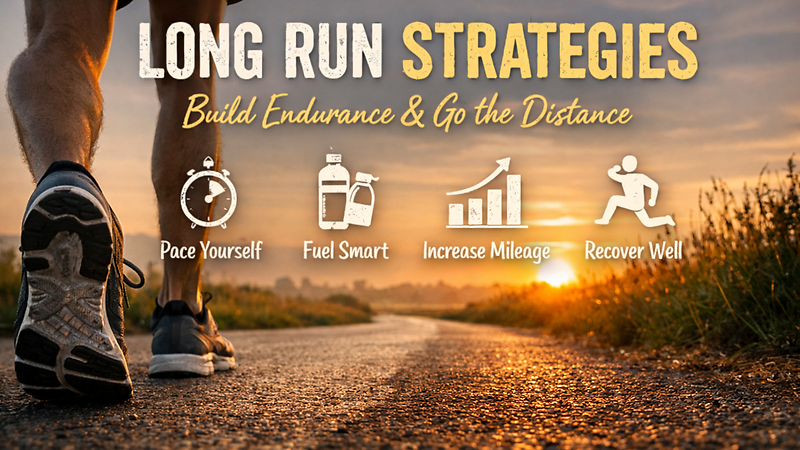
First, slow down. Almost everyone runs their long runs too fast. It feels good in the first few kilometres, especially when your legs are fresh. But the long run isn’t about pace. It’s about time on your feet. You should be able to speak in full sentences. If you can’t, you’re pushing too hard. The magic happens in that steady, slightly boring zone.
Fuelling is another thing runners learn the hard way. If you head out on an empty stomach for a 90-minute run, you’ll probably feel strong for a while. Then it hits: sudden heaviness, low energy, maybe even dizziness. A simple carb-based snack beforehand helps more than people think. Toast. Banana. Oats. Nothing fancy. And if you’re training for a marathon, practice using energy gels during long runs. Race day isn’t the time to experiment.
Building stamina takes patience. There’s a reason experienced runners increase mileage gradually. Your lungs adapt faster than your joints and tendons. That’s why people feel “fit” enough to go longer until their knees disagree. Adding small increments each week keeps injuries like shin splints and runner’s knee away.
Recovery matters just as much as the run itself. After a long distance session, you might feel tempted to collapse on the couch all day. But light movement later like a short walk and gentle stretching actually helps stiffness. And sleep? That’s where real progress happens. Your body rebuilds while you rest.
The mental side is the quiet challenge. Long runs can feel endless. Instead of staring at the total distance left, break it down. Focus on reaching the next turn. The next five minutes. The next song. Small targets keep your head steady when your legs get tired.
Strength training helps more than most runners admit. A stronger core keeps your form from falling apart in the last few kilometres. When posture holds, breathing stays smoother. That means better endurance without extra effort. And finally, accept that some long runs will just feel hard. Weather, sleep, stress all show up in your stride.
Over time, though, something shifts. Distances that once felt intimidating start to feel manageable. That’s the reward of smart long-run strategies.