
Running Form and Injury Prevention: Run Well, Stay Strong
Nothing kills the joy of running faster than that nagging pain in your knee, hip, or lower back. It sneaks up on you, sometimes from overtraining, sometimes from ignoring a little tweak in your stride. But often, the culprit is simpler than you think: running form. Yeah, that thing you barely think about when you lace up your shoes.
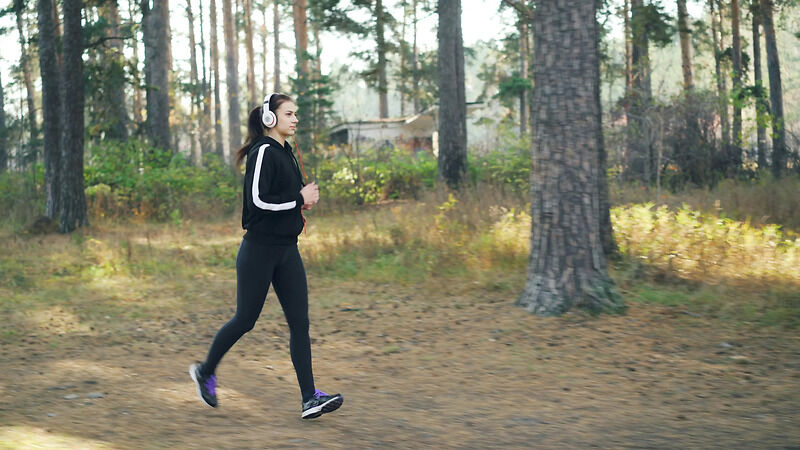
Good form isn’t about looking fancy. You don’t need to pose for a magazine cover while running. It’s about efficiency, about moving in a way that keeps your muscles and joints happy for miles and miles. Start at the top. Head up, eyes forward, shoulders relaxed. Let your arms swing naturally; don’t cross them over your body. Simple, right? But small details make a difference. Your core is your unsung hero here. If your abs and back are strong, they stabilize your hips and spine, stop you from wobbling, and save your legs from extra stress. Planks, bridges, bird-dogs, these little exercises can seem boring but pay off big time.
Then there’s your stride. Overstriding is a classic mistake. Landing with your foot way ahead of you is brutal on knees and hips. A soft, midfoot landing under your hips keeps things smooth. Shorter, quicker steps are better than long, dragging ones. Aim for a cadence that feels quick and natural. For most people, that’s somewhere around 170–180 steps per minute, but don’t obsess over numbers. Listen to your body.
Shoes matter more than you might admit. Running in worn-out sneakers is asking for trouble. Every 600–800 kilometres, check your soles and cushioning, and replace them if needed. Warm-ups are often skipped too, but a few minutes of leg swings, high knees, and lunges before a run can save you from weeks of tight muscles later.
And here’s the thing, form isn’t something you fix in one run. It’s small, consistent adjustments over weeks and months. Maybe today it’s keeping your shoulders loose; tomorrow it’s shortening your stride. These tiny changes add up. Over time, you run longer, faster, and without the constant aches that make running feel like a chore.
Running well is about making your body work for you, not against you. When your posture, stride, and core strength align, running becomes smoother and easier. You don’t just perform better; you stay in the game longer. The ultimate goal? To keep tying your shoes, heading out the door, and enjoying every step without pain holding you back. That’s what makes a runner truly strong.