
Cold Plunges, Saunas & Recovery Boots: Do Athletes’ Recovery Trends Actually Work?
A few years ago, recovery meant stretching for five minutes and calling it a day. Now it looks very different. Ice baths fill social feeds. Saunas are packed post-workout. Compression boots hum in living rooms like some kind of sci-fi ritual. Recovery has become a lifestyle not just a necessity. But are these trends actually helping athletes perform better, or are they simply the latest wellness obsession?
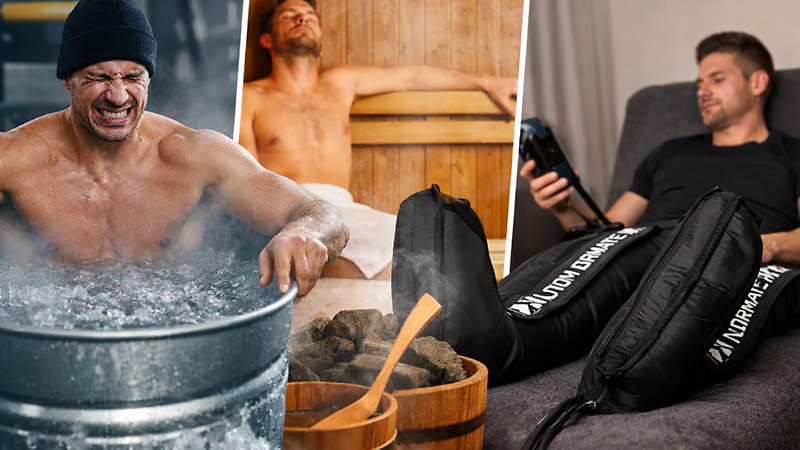
Cold plunges are probably the most dramatic of the three. The idea is straightforward: cold water lowers tissue temperature, which may reduce inflammation and numb soreness after hard sessions. Many endurance athletes use ice baths during heavy training blocks or competitions because they feel fresher the next day. There’s some science backing that up that cold exposure can reduce perceived muscle soreness. However, it’s not a perfect solution. Inflammation is also part of how muscles repair and grow. If you’re strength training and trying to build muscle, jumping into freezing water immediately afterward might interfere with that adaptation. In other words, ice baths can be helpful — but context matters.
Saunas take the opposite approach. Instead of cooling the body down, they heat it up. Sitting in high heat raises your heart rate and increases blood flow, placing mild stress on the cardiovascular system. Over time, that stress may improve endurance and heat tolerance. Some distance runners use sauna sessions strategically to prepare for races in warmer climates. Beyond performance, saunas often improve sleep quality and relaxation. That alone can enhance recovery, since sleep is where much of the body’s repair work happens. Compared to cold exposure, sauna use appears less likely to disrupt muscle-building goals.
Then there are recovery boots, the inflatable compression sleeves that rhythmically squeeze your legs. They’re designed to promote circulation and move fluid out of tired muscles. Many athletes say they feel lighter and less stiff afterward. Research shows they can reduce soreness in some cases, but the benefits aren’t dramatically different from simple methods like elevating your legs. Still, for athletes training frequently, even a small recovery boost can help maintain consistency.
What’s often overlooked is that none of these tools replace the basics. Quality sleep, adequate protein, proper hydration, and structured rest days remain the foundation of recovery. The high-tech add-ons may enhance that foundation, but they can’t compensate for poor habits.
The rise of these trends says something important, though. Athletes are starting to treat recovery with the same seriousness as training. That shift alone is positive. Cold plunges, saunas, and compression boots aren’t miracle cures, but used wisely, they can support a body that’s being pushed to perform again and again.
Cold plunges are probably the most dramatic of the three. The idea is straightforward: cold water lowers tissue temperature, which may reduce inflammation and numb soreness after hard sessions. Many endurance athletes use ice baths during heavy training blocks or competitions because they feel fresher the next day. There’s some science backing that up that cold exposure can reduce perceived muscle soreness. However, it’s not a perfect solution. Inflammation is also part of how muscles repair and grow. If you’re strength training and trying to build muscle, jumping into freezing water immediately afterward might interfere with that adaptation. In other words, ice baths can be helpful — but context matters.
Saunas
Saunas take the opposite approach. Instead of cooling the body down, they heat it up. Sitting in high heat raises your heart rate and increases blood flow, placing mild stress on the cardiovascular system. Over time, that stress may improve endurance and heat tolerance. Some distance runners use sauna sessions strategically to prepare for races in warmer climates. Beyond performance, saunas often improve sleep quality and relaxation. That alone can enhance recovery, since sleep is where much of the body’s repair work happens. Compared to cold exposure, sauna use appears less likely to disrupt muscle-building goals.
Then there are recovery boots, the inflatable compression sleeves that rhythmically squeeze your legs. They’re designed to promote circulation and move fluid out of tired muscles. Many athletes say they feel lighter and less stiff afterward. Research shows they can reduce soreness in some cases, but the benefits aren’t dramatically different from simple methods like elevating your legs. Still, for athletes training frequently, even a small recovery boost can help maintain consistency.
What’s often overlooked is that none of these tools replace the basics. Quality sleep, adequate protein, proper hydration, and structured rest days remain the foundation of recovery. The high-tech add-ons may enhance that foundation, but they can’t compensate for poor habits.
The rise of these trends says something important, though. Athletes are starting to treat recovery with the same seriousness as training. That shift alone is positive. Cold plunges, saunas, and compression boots aren’t miracle cures, but used wisely, they can support a body that’s being pushed to perform again and again.