
The Science of Building Lean Muscle After 30
Turning 30 doesn’t mean your best shape is behind you but it does mean your body starts playing by slightly different rules. Muscle loss, known as sarcopenia, begins gradually in your thirties. It’s subtle at first. You might notice it takes longer to recover from workouts, or that gaining strength doesn’t happen as quickly as it once did.
The good news? Muscle after 30 is absolutely buildable. You just have to be smarter about it.
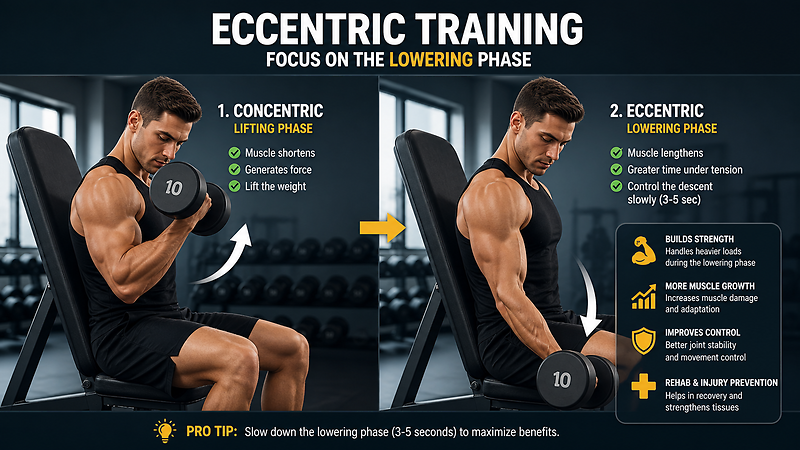
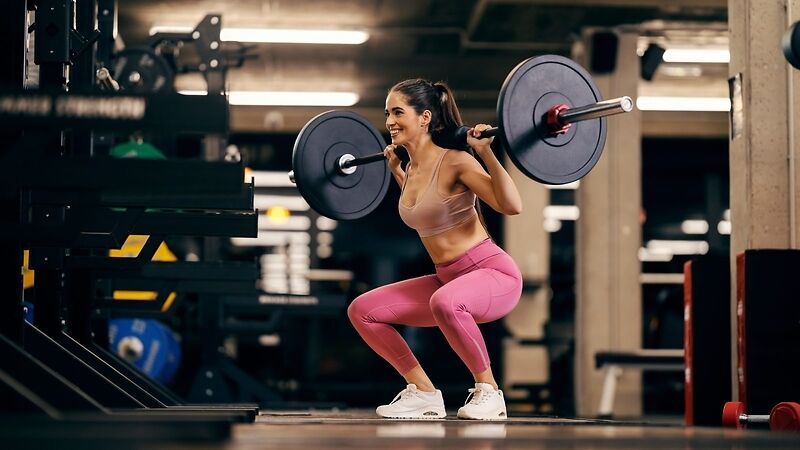
Strength training becomes non-negotiable. Lifting weights, whether that’s dumbbells, barbells, resistance bands, or bodyweight exercises, signals your body to hold onto and build muscle tissue. Without that signal, your body has no reason to maintain it. Two to four strength sessions a week are usually enough to see progress, provided you’re challenging yourself.
Protein intake matters more than most people realise. As we age, our muscles become slightly less responsive to protein, a concept known as “anabolic resistance". That simply means you may need a bit more protein than you did in your twenties to trigger muscle repair. Spreading protein intake evenly across meals helps your body use it efficiently.
Recovery also changes after 30. You can’t rely on sheer momentum anymore. Sleep becomes a major player. Growth hormone, which supports muscle repair, is released during deep sleep. Skimp on rest, and progress slows. Stress plays a role too. High cortisol levels from chronic stress can interfere with muscle growth, so managing stress isn’t optional but it’s part of the process.
Hormones shift gradually with age, but resistance training helps counter many of those effects. It supports testosterone levels in men and improves metabolic health for both men and women. In fact, building muscle after 30 is one of the best ways to protect long-term health, from bone density to insulin sensitivity.
Cardio still has its place, but balance is key. Too much endurance work without strength training can make muscle gain harder. Pairing moderate cardio with progressive resistance training creates a healthier, sustainable approach.
Building lean muscle after 30 isn’t about extreme programs or punishing routines. It’s about consistency, recovery, and fueling your body properly. Your metabolism, strength, and confidence all benefit when you train with intention — not urgency.