
Eating for Fat Loss: Simple Nutrition Rules That Actually Work
When it comes to losing fat, nutrition matters more than workouts. You can exercise every day, but if your eating habits are off, results will be slow or inconsistent. The good news is that eating for fat loss doesn’t have to be complicated. You don’t need fancy superfoods or strict meal plans, just a few rules that actually work.
Focus on Whole Foods First
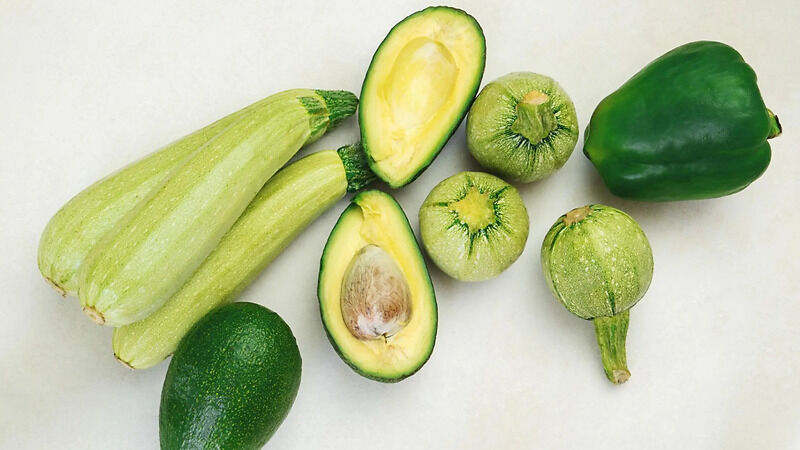
The simplest rule for fat loss is eating foods that are close to their natural form. Vegetables, fruits, eggs, lean meats, fish, lentils, beans, nuts, and whole grains keep you full and provide nutrients your body needs. Highly processed foods are easy to overeat and often high in calories without keeping you satisfied.
You don’t have to eliminate treats completely, but your daily meals should mostly come from whole foods. This is one of the most effective simple nutrition rules for fat loss.
Protein plays a key role in fat loss. It helps control hunger, supports muscle mass, and keeps you feeling full for longer. Include a protein source with every meal, eggs, chicken, fish, paneer, tofu, curd, or legumes all work well.
When protein is missing, people tend to snack more later in the day. A protein-focused plate supports healthy eating habits for weight loss without feeling restrictive.
Don’t Fear Carbohydrates
Carbs are not the enemy. The problem is portion size and quality. Choose complex carbs like rice, oats, whole wheat roti, potatoes, and fruits instead of refined sugars and white flour products. Carbs provide energy and help you stay consistent with your diet.
Instead of cutting carbs completely, learn how to eat for fat loss by balancing them with protein, fibre, and healthy fats.
Watch Portions, Not Just Calories
You don’t need to count every calorie to lose fat. Paying attention to portion sizes is often enough. Eat slowly, stop when you’re satisfied, and avoid eating straight from packets or containers.
Using smaller plates, serving meals mindfully, and limiting distractions while eating can naturally reduce overeating. This approach makes fat loss diet tips for beginners easier to follow long-term.
Eat Consistently, Not Perfectly
Skipping meals often leads to overeating later. Aim for regular meals that keep your energy stable throughout the day. Consistency matters more than perfection. One “off” meal won’t ruin your progress, but giving up completely will.
Fat loss happens when healthy choices are repeated over time, not when everything is perfect.
Stay Hydrated and Sleep Well
Drinking enough water helps control hunger and supports digestion. Many people confuse thirst with hunger. Sleep is equally important. Poor sleep increases cravings and makes fat loss harder, no matter how well you eat.